

I’ve seen reviews of this book saying it’s deadly boring, but I found it to be quite a page-turner.
I’ve seen reviews of this book saying it’s deadly boring, but I found it to be quite a page-turner.

The Matilija (ma-TILL-uh-hah) Poppy, often called the Fried Egg poppy, has the largest flower of any native California species, 6+ inches (15+ cm) across. It’s native to dry, sunny areas from California to Baja. These ones were growing by Serrano Road and had probably escaped from a garden, as I don’t see them growing natively in this part of the SM Mountains. But it’s always such a treat to come across them.

For the past few months, we flower-hikers have been avidly watching the growth of the Humboldt lilies in select locations throughout the Santa Monica Mountains. Yesterday V. and I were delighted to spot our first blooms of the season. Happy dance!

Scene/seen while walking the dog.
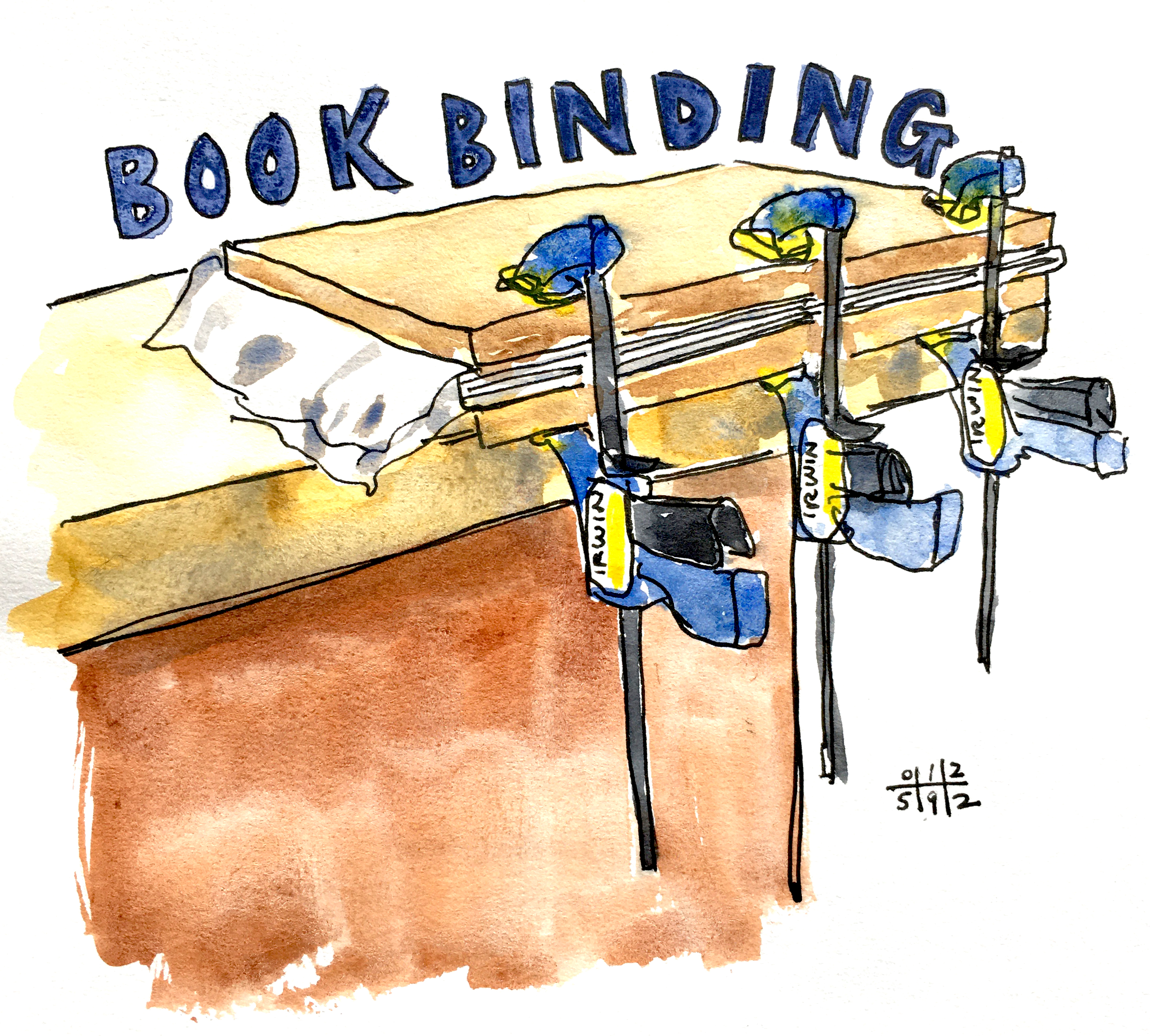
My current 9″ x 12″ sketchbook feels too big for easy portability, so what did I decide to do? Make an even bigger one! 🤔


If the birds don’t get them first, looks like we might be eating some homegrown grapes this summer!


The thing I love best about the Topanga Banjo Fiddle Contest & Folk Festival is not the contest itself, or the professional acts, but the many folk and bluegrass jam sessions under the oak trees.
Despite the event’s name, it’s not held in Topanga, but rather at Paramount Ranch, famed Western movie set turned National Park, which suffered terrible losses in the 2018 Woolsey Fire. Nearly the entire Western Town burned down; only the church and railway depot were saved. Then COVID came along, putting a stop to the festival for the duration.
But now it’s back! It was good to return to the Ranch yesterday, and hear the music once again. I wandered from jam to jam, sketching the artists and audience while tapping my toes. Good times.

I can’t say I’m a fan of ground squirrels, given the harm they do to our hillside and garden. But this little fella reaching up to grab some slender oats was pretty darn cute.

